/
The Infinite Possibilities
of Glass Art
What is glass art? Through its unique materials and techniques, glass creation is an art form encompassing infinite possibilities.
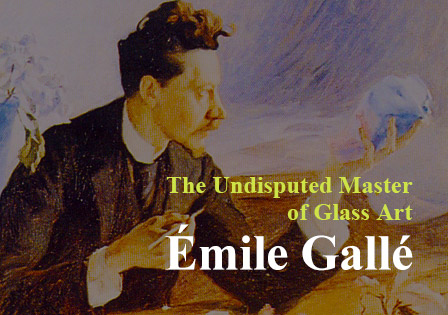
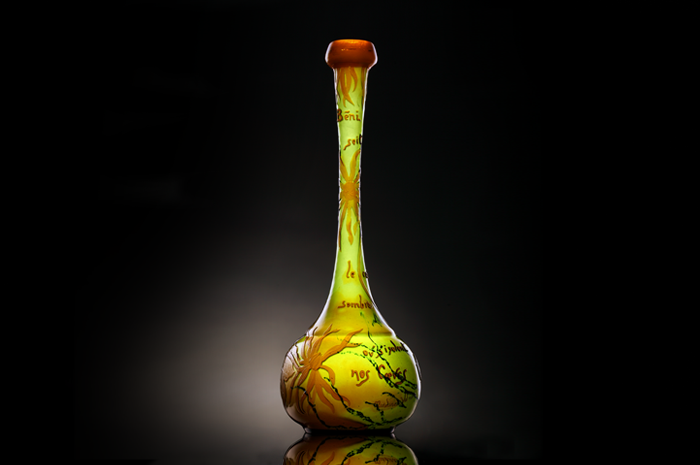
In 1878, Émile Gallé's brilliant performance at the Paris World Expo marked a pivotal point for the development of glass art. Gallé’s work, often featuring botanical themes, infuses each leaf and flower with a poetic sense of space. This stemmed not only from his literary background and humanistic spirit but was also a direct result of his relentless experimentation with glassmaking methods.
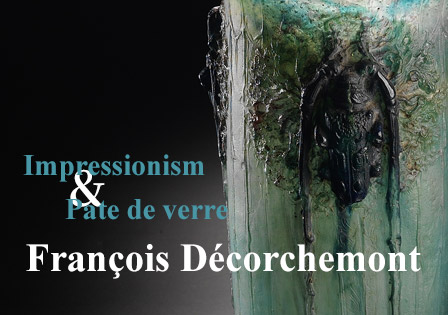
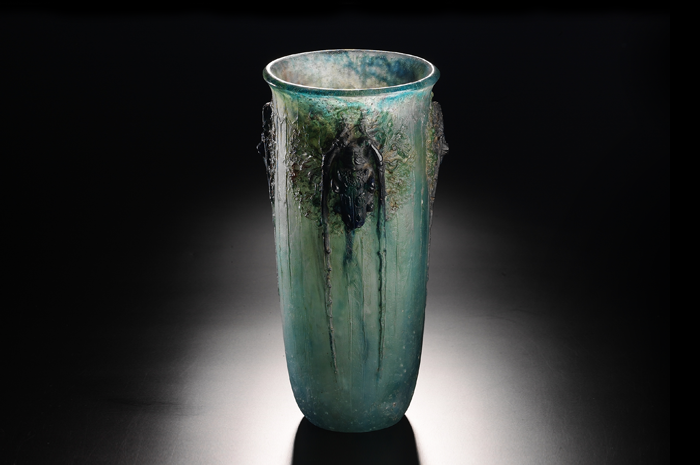
William Morris, one of the proponents of the modern Arts and Crafts movement, believed that the ideal creative state was achieved through "the communication of heart and hand, the fusion of emotion and skill." This philosophy is vividly demonstrated through the works and artists showcased in this exhibition. In addition to Gallé, a pioneer of glass art, glass artists of the Impressionist era discovered new possibilities for sculpture inspired by the material itself. François Décorchemont's study of glass colors harnessed light as a central element of the artistic process, breathing fresh life into this art form.
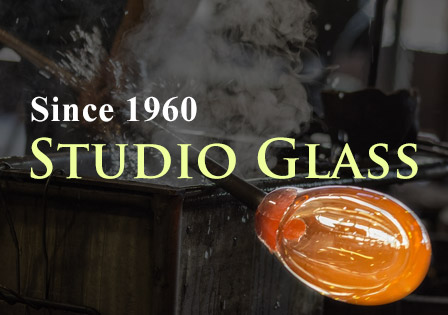
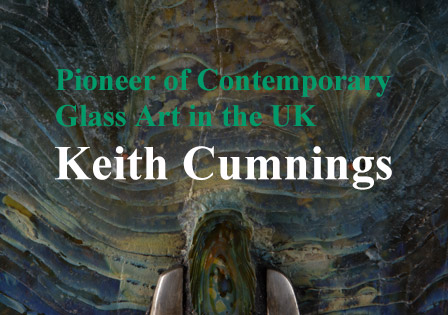
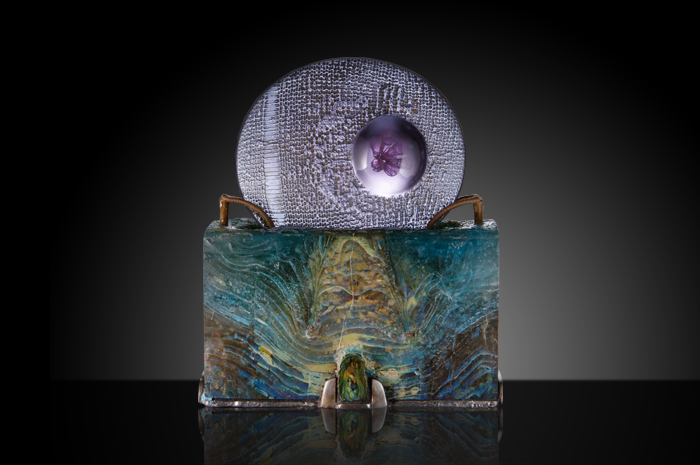
In the 1960s, the emergence of the American Studio Glass Movement unlocked new horizons for glass art. Concurrently, British contemporary kiln-cast glass artist Keith Cummings explored innovative forms of expression. Across different eras and borders, artists have imbued glass art with their own profound and evocative interpretations.
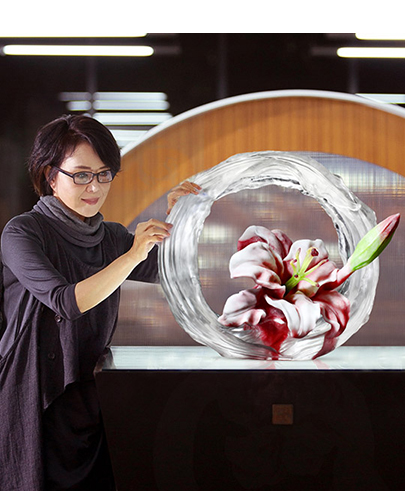
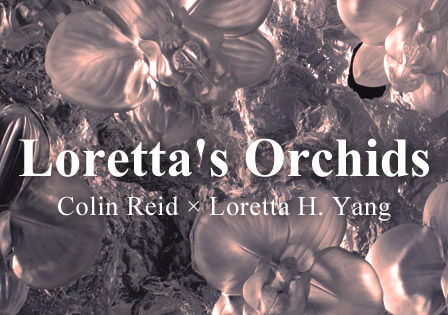
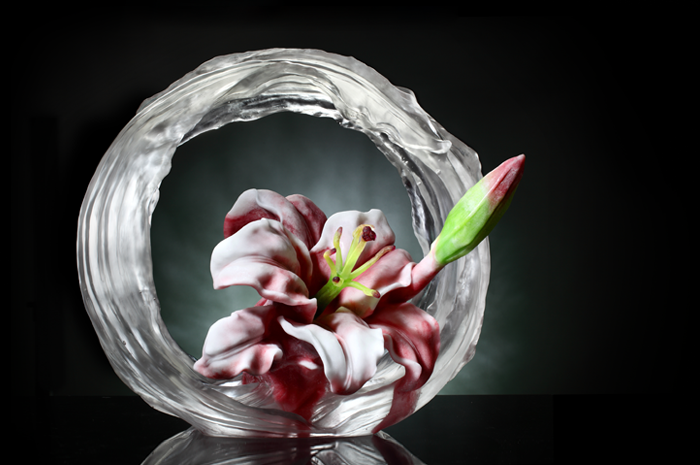
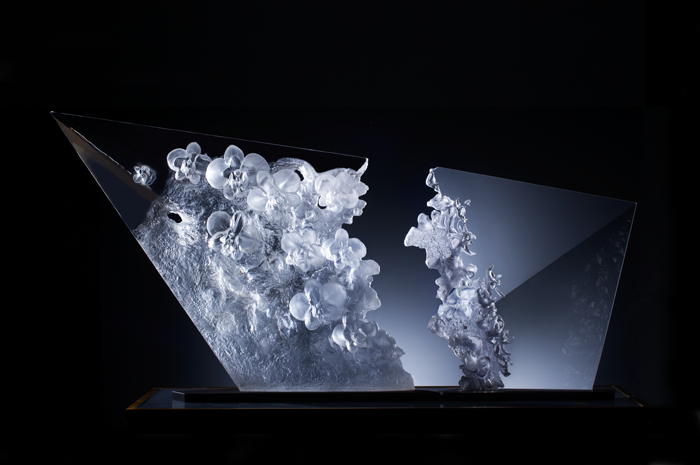
In the East, Loretta Yang revolutionized the medium by ushering in a new chapter for glass art. Grounded in traditional Chinese aesthetics, she employed the lost-wax casting method to shape larger than life blossoms, skillfully capturing the fleeting moment of bloom through a delicate interplay of opacity and transparency. Her work symbolizes the dialogue between the transient and the eternal in nature. This ongoing pursuit of groundbreaking approaches has transformed glass art into a powerful amalgamation of technical mastery and creative vision.
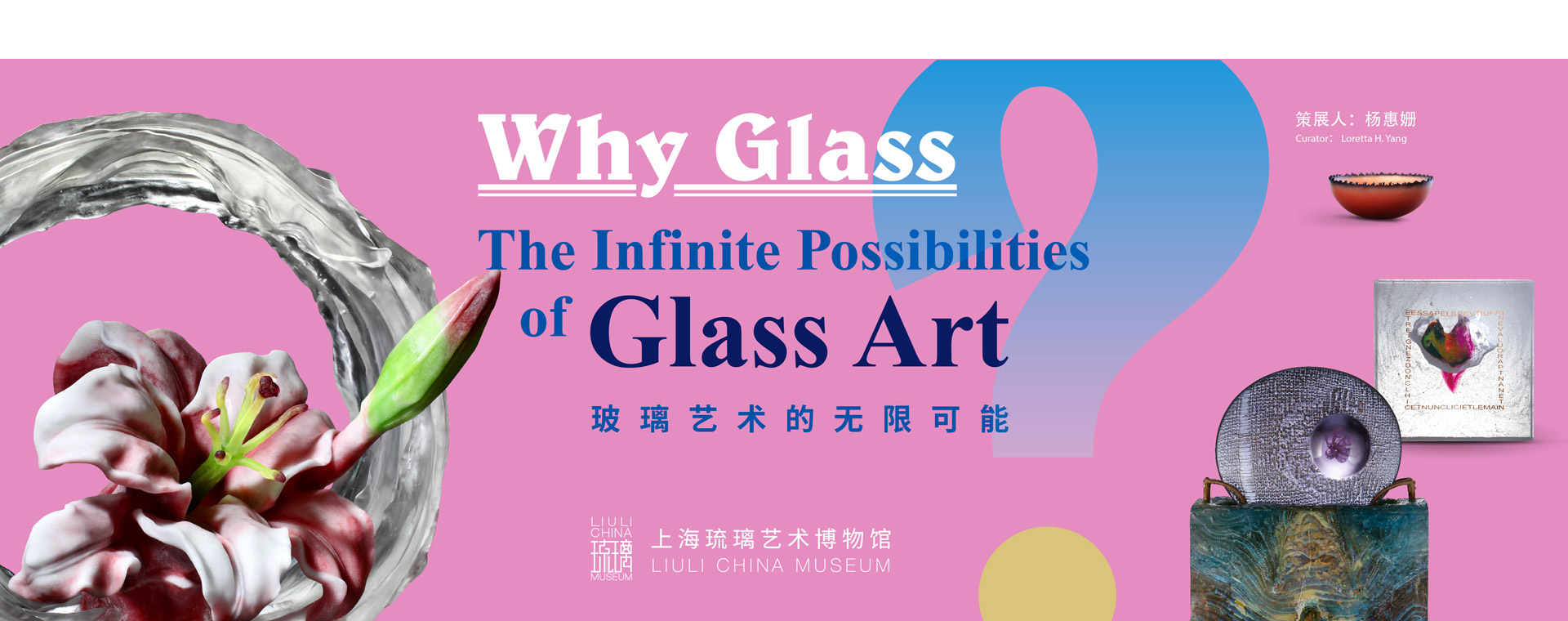
The "Why Glass?" exhibition series focuses on the history of glass art’s unique development, paying tribute to the artists who have continuously pushed the envelope. It is through their tireless efforts that glass art has attained its extraordinary and enduring significance.

Homo Faber 2024