-

-
In the later part of the 19th century, from the era spurred by Impressionism, sculptors discovered the transparency of glass and art masters shifted their attention to the exploration of glass. Émile Gallé turned from pottery to glass art and through his creative spirit, glass transcended craft and transformed into beautiful odes to nature. His work put human compassion and radiance on full display. From his beginnings as a potter, François Décorchemont, friend of Claude Monet, quickly became the key instigator of the French pâte de verre movement. Pablo Picasso and Salvador Dali are among those who collaborated with glass artists in the reinterpretation of their art in glass.
Décorchemont’s grandson Antoine Leperlier continued the legacy of his grandfather’s pâte de verre technique to become France’s most eminent contemporary glass artist. It was Leperlier who assisted Fabre in the completion of her first glass piece.
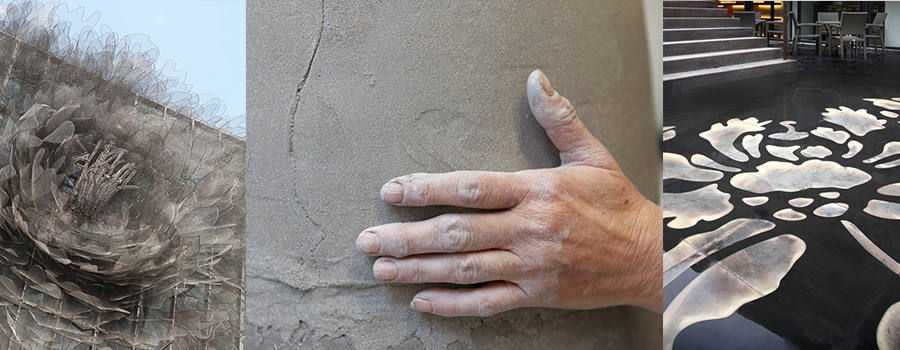
The pâte de verre technique takes the artist on a light filled path. This collaboration with Christine Fabre further corroborates the impact of LIULIGONGFANG’s signature technique. For the last 30 years, Loretta H. Yang has single-handedly guided LIULIGONGFANG and redefined pâte de verre. Through a complex and intricate process and use of the material’s transparency, liuli streams and air bubbles, Yang has developed a form of expression unique to the Eastern aesthetic. Today, LIULI CHINA MUSEUM and Christine Fabre embark on a light filled path together to raise a milestone in the history of glass art.
This is pâte de verre’s most resplendent moment since its 19th century resurrection.